

Why Automation Isn’t Optional Anymore
Time is your only truly non renewable resource. And in business especially for lean teams it vanishes fast. Between chasing follow ups, scrambling to update spreadsheets, and manually routing tasks, hours slip through unnoticed.
That’s where automation comes in. It’s not just about cutting clicks. It’s about reclaiming focus. When your workflows run smooth, your team spends less time fixing what should’ve worked in the first place.
Manual processes are clunky. They open the door to mistakes, bottlenecks, and burnout. Automation strips that friction out. It keeps the machine running so you can think bigger, move faster, and execute without dragging your feet.
For small teams, that’s the edge. Automate the grunt work, free up your brainpower, and redirect your energy to the things that actually grow the business.
Map Out What to Automate First
Before you start connecting tools or building fancy workflows, zoom out. Look at where you spend your time every week. Chances are, a lot of it goes to mindless repetition. Think client onboarding with the same set of emails. Think manual invoice generation. Think chasing people for follow ups. These aren’t tasks that need your creativity they just need to get done. That’s the first place automation earns its keep.
Next, separate the heavy hitters from the fluff. Which tasks drive clear business results (high value) and which just eat up your hours (low value)? Anything that’s low value and time consuming should be on your automation hit list.
Start small. Don’t try to automate everything on day one. Pick your top one or two repetitive tasks that suck up the most time every single week. Automating just those buys back hours and gets you momentum.
Essential Categories to Automate
Automation pays off fast when you build around the key pillars of your business. These four areas communication, marketing, operations, and sales are where most of the time gets burned on repeatable tasks. Let’s break them down.
Communication: You’re not always online, but your business should be. Auto responders handle FAQs, chatbots qualify prospects at 2am, and smart routing pushes real messages to the right inbox without drowning your team. It keeps leads warm and conversations flowing without the manual drag.
Marketing: Campaign consistency is tough to maintain without help. With social media scheduling, you queue posts for the week (or month), hit publish once, and stay visible without daily effort. On top of that, lead nurturing sequences keep fresh contacts engaged without someone hovering over the Send button.
Operations: Think about every form filled, task assigned, or CRM field updated. It adds up. Automating task routing and CRM updates ensures nothing slips through the cracks. Employee onboarding benefits too you build a process once, and every new hire gets pulled through the same (optimized) ramp up, every time.
Sales: Time kills deals. But automation helps seal them faster. Proposal generation tools let you prep client ready decks or quotes in minutes. Add pipeline triggers and reporting workflows, and you’ll always know what’s moving and what’s stuck minus the manual tracking.
These aren’t just upgrades. They’re force multipliers. One setup session can save hours every week and free your team to focus on what actually moves the business forward.
Choosing the Right Automation Stack
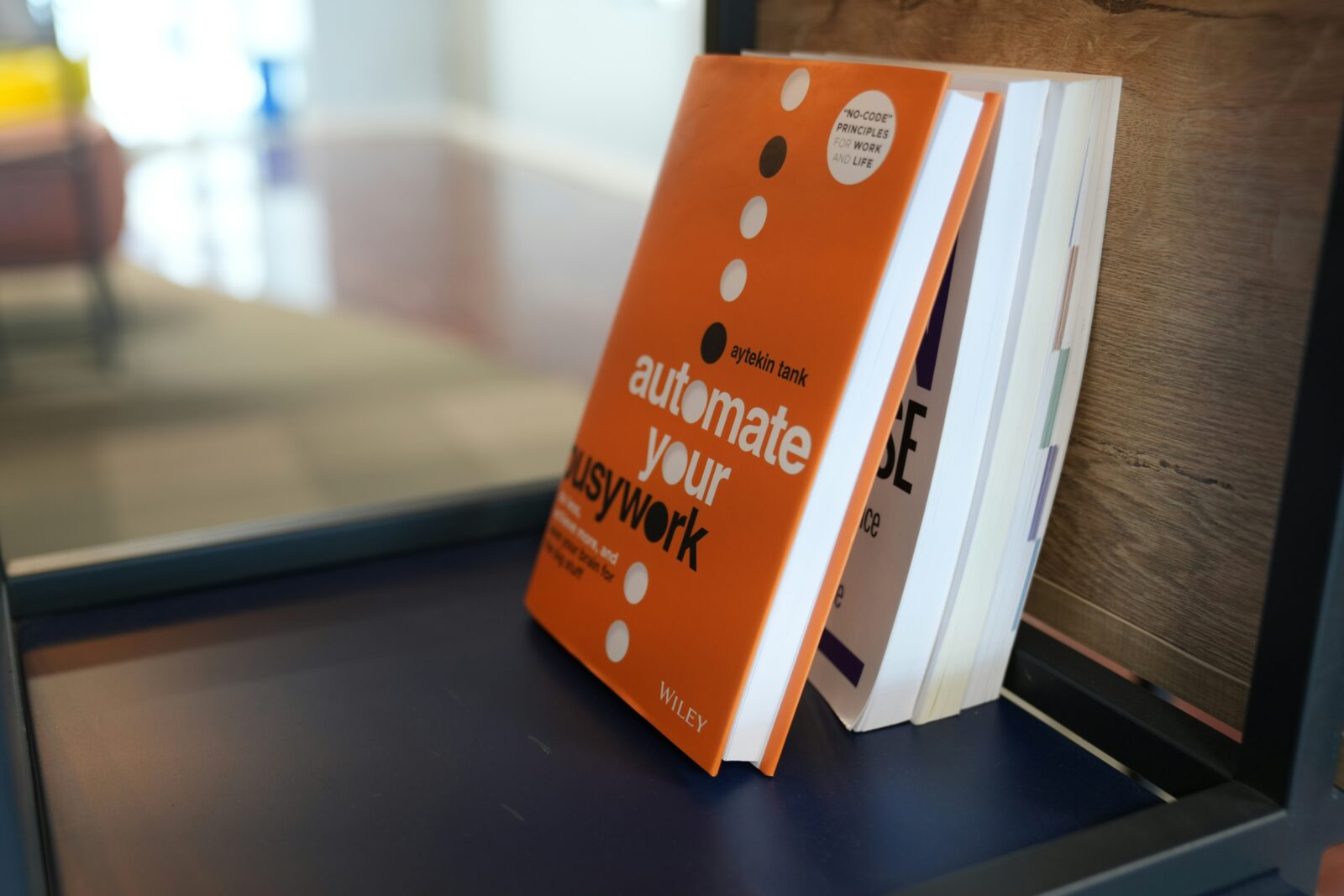
Don’t get distracted by fancy dashboards and endless features. If a tool doesn’t integrate well with your existing systems, it’s more deadweight than a solution. The real value in automation lies in tools that talk to each other without needing hand holding.
Start simple. Platforms like Zapier and Make let you connect the dots between software without writing a line of code. Whether you’re syncing your CRM with your email platform or triggering calendar events from form submissions, the goal is clear: build workflows that save time while staying lightweight. No one needs extra complexity just to get a task off their plate.
Good automation software should scale with you. If it needs constant babysitting, it’s not supporting growth it’s stalling it. Choose tools that can grow alongside your business without needing a full time IT person to maintain them.
Want the hard recommendations? Check out this list of top automation tools you can use across teams and departments. No fluff just tools that work.
Best Practices for Implementation
Smart automation isn’t just about which tools you use it’s about how you use them. To achieve long term efficiency gains, focus on solid implementation. Here’s how to do it right:
Start Small and Scale Smart
Trying to automate everything at once can lead to chaos. Instead:
Pick one time consuming, repetitive task to automate first
Always test new workflows to ensure they function correctly
Gather feedback from your team before expanding automation processes
This approach minimizes risk and lets you build a foundation for scaling.
Document Your Workflows
Even efficient automation can fall apart if no one knows how it works.
Create a centralized log of your workflows, tools, and integration logic
Use simple diagrams or step by step instructions for clarity
Make sure documentation is accessible to your team for transparency and maintenance
Schedule Routine Reviews
Automation is not “set it and forget it.” Periodic review keeps your workflows current and effective.
Set a quarterly review schedule for all key automation flows
Review what’s working, what’s broken, and what can be improved
Track performance metrics (time saved, errors reduced, etc.) to assess impact
Taking time to refine your workflows ensures continued ROI and keeps your business processes aligned with new goals as they evolve.
Measurable Upside
You don’t need a big team to move faster and smarter just the right automations. When tasks like client communication, scheduling, or follow ups run themselves, human error drops. Response times get sharper. The result? More trust from your audience and more conversions.
Automation also lets you grow without piling on headcount. Instead of hiring to keep pace, you build systems that scale on their own. For solo creators or lean teams, that’s an unfair advantage.
And then there’s consistency the silent deal closer. Automated workflows ensure every customer, viewer, or lead gets the same branded experience. No skipped emails. No missteps. Just clean, repeatable execution.
Want to see what this looks like in practice? Check out some real life use cases in our article on top automation tools.
No Fluff Just Leverage
Efficiency is no longer a luxury it’s a strategy. In today’s fast moving digital space, automation isn’t about clocking out early. It’s about clearing the path so you and your team can do deeper, more valuable work.
Work Smarter, Not Harder
Automation allows you to redirect your energy toward high impact tasks:
Focus on creative problem solving instead of repetitive admin work
Spend less time switching between tools and more time producing results
Reduce stress by eliminating error prone manual processes
Remove Friction, Unleash Flow
The best automation tools blend into your workflow. They support your momentum rather than disrupt it:
Trigger next steps automatically no follow ups forgotten
Keep pipelines clean and projects moving without micromanagement
Standardize processes to maintain quality, even as your workload grows
Think of automation as leverage not a shortcut, but a multiplier. When systems run smoothly in the background, your best work rises to the top.